#BWNFridayPost: “Scientists with intersecting privilege must work towards institutional inclusion” by Felicity M. Davis, Salah Elias & Vaishnavi Ananthanarayanan

link to full article

This article dives into the meaning of DEI in academia, and contains a list of steps discussing specific actions people–particularly those with intersecting privilege and power–should take in order to improve it. This specific list of steps can be undertaken by university leaders, and includes: Initial upskilling and continued personal development, Inclusive actions and timescales, and Resource commitment. Read the full paper here!

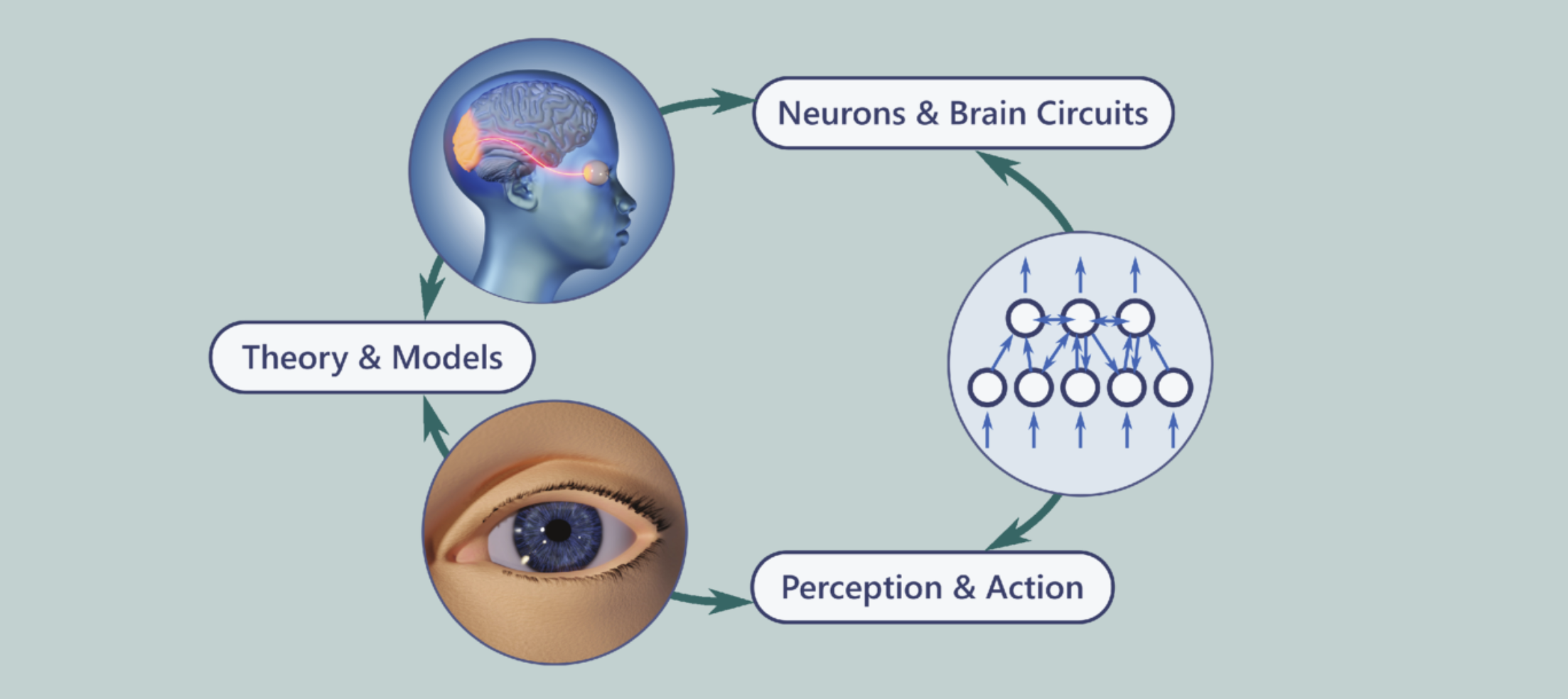
French Regional Conference on Complex Systems: FRCCS 2023

conference link
May 31 – June 2, 2023
Program Chairs: Moulay A. Aziz-Alaoui, Hocine Cherifi

Invited speakers gender ratio: 3 Women: 3 Men (50%)
Estimated base rate of women in the field: 43%*
BWN rating: 3, within 1 standard deviation above base rate

*Method of estimation: previously established base rate of women in the neuroscience field

EITN Fall School in Computational Neuroscience 2023

link
September 20-29, 2023

Organising Committee: Sacha Van Albada (Julich), Albert Gidon (U Berlin), Hermann Cuntz (Ernst Strüngmann Institute, Frankfurt), Alain Destexhe (CNRS), Matteo di Volo (University Lyon 1), Spase Petkoski (Aix-Marseille Univ.), Gorka Zamora-Lopez (Universitat Pompeu Fabra)

Preliminary** speakers gender ratio: 3 Women: 18 Men (14%)
Estimated base rate of women in the field: 26%*
BWN rating: 1, within 2 standard deviations below base rate

*Method of estimation: previously established base rate of women in the computational neuroscience field

** If more speakers get added before the start date, we will update accordingly!

Alzheimer’s Association International Conference 2023

conference link
July 16-20, 2023

Organising Committee: Alzheimer’s Association

Plenary speakers gender ratio: 2 Women: 2 Men (50%)**
Estimated base rate of women in the field: 43%*
BWN rating: 3, within 1 standard deviation above base rate

*Method of estimation: previously established base rate of women in the neuroscience field

** If more plenary speakers get added before the start date, we will update accordingly!

cleanBib: Probabilistically assign gender and race proportions of first/last authors pairs in bibliography entries

This code base and diversity statement template by Dale Zhou et al was nominated to our DEI Repository by a Faculty member, who said “This resource has impacted how my lab evaluates and revises our reference lists in all of our scientific papers (prior to submission) to ensure that we are fairly canvassing marginalized scholars in our field.”

To use it, the nominator said: “We apply this code to the reference list of our paper. It provides us with information about how we are citing. Are we overciting scholars from majority groups (e.g., men, white people) and underciting scholars from minority groups (e.g., women, people of color)? If so, by how much? We use those percentages to drive us back to the literature to learn more about the scholars in our field and their work, and cite them accordingly.

This github repository provides code to check the predicted racial and gender makeup of your citations, so that you can see how the citations you selected compare to the base rates of published papers in your field. It also provides a diversity statement template which presents the information in a clear way. This is a great resource to use to ensure you are citing and conducting literature review in a less biased way!

Check out more resources from our DEI Repository and submit your own recommendations here!